
A Complete Guide to Restaurant Hygiene Standards: Food Safety & Hygiene
Most restaurant owners see hygiene as a matter of effort. Clean harder, check more often, ensure food standards are up to the mark, nudge staff to keep clean, and pray for good luck. But they might be focused on the wrong thing.
A kitchen needs the right temperature to keep raw meats fresh and physical systems that barricade cross-contamination. While the online menu shines, it needs documentation that proves its sparkle too. Besides, it also needs knowledgeable staff and structural upkeep as a strong foundation. If a single element falls through, everything topples.
Between 2022 and 2025, FSSAI surveyed the quality of over 5.8 lakh food samples. Astoundingly, they imposed over 88,000 penalties. How can your kitchen skip the penalties?
This guide covers every pillar that keeps a kitchen compliant, from food care to documentation, and building staff habits that enhance profitability. At the end, you’ll find an effective solution and non-negotiable restaurant hygiene guidelines that you can follow weekly to prepare for a surprise inspection.
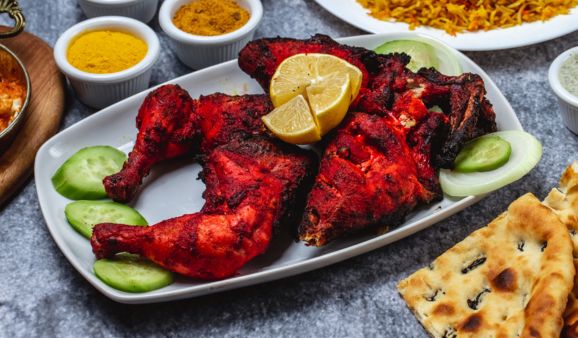
Cut prep-stage risk with bases and marinades that remove a step of raw handling before it starts.
A] Temperature Control is the Fine Line Between Compliant & Non-Compliant
Most kitchens compromise on food quality without even knowing. Temperature danger zones are easy to fall into, with hot food over 63°C and cold food below 5°C outside the ideal range. The numbers in between are where bacterial growth accelerates without notice.
Dairy-based gravies are among the trickiest to manage. A butter chicken or paneer makhani gravy is the first to go stale, especially during rush hour. The creamy sauce, vibrant spice, and nostalgic aroma slowly slip by, even when carefully served on a bain-marie.
But the prep stage is a critical control point that could spell the biggest danger for your restaurant. When customer footfall slows, marinated chicken that remains sitting out on the grill for “just 10 minutes” begins to invite bacteria. The onion, cleaned and chopped in bulk for a tossed salad before a shift begins, becomes a breeding ground for gems within 2 hours.
A raw dish that’s sitting still can ruin your reputation if an inspector walks in. Log cold and hot storage at multiple intervals throughout the day to maintain food hygiene standards in restaurants, not just the first shift.
B] Cross-Contamination Needs Physical Systems, Not Reminders
Your staff knows the rules. Keep veg and non-veg separate and allergens in mind when serving. But can they realistically follow these rules under pressure?
Colour-coded boards, plates, and utensils are the starting point to avoid dangerous errors during rush hour. Imagine reaching for a flavourful gravy to toss your veggies in and instead picking a raw chicken marinade during rush hour. Such rack positioning not only contaminates but also slows service. Dedicating separate kitchen platforms in a crowded restaurant is the best method to avoid cross-contamination.
Rewrite the rules for your order of operation; ensure veggies are prepared before meats, sauces before the garnish. Mindful preparations rely on trained instincts that function in every situation, even during the rush.
A crunchy Thai salad needs a peanut topping to add texture. It’s on the menu and in the recipe, known to every chef. During a rush hour, you follow the recipe to the dot and send it out. Service runs smoothly until you realise you’ve put peanuts on a dish that clearly specified that the customer was allergic. Allergen information must be repeated twice at the station.
C] Documentation is the Evidence That Passes Inspection
Displaying exceptional kitchen hygiene standards while treading the line of documentation is never ideal. Here are some documents you need to actually get the thumbs up from an FSSAI officer:
- FSSAI License: Registration or licensing is a requirement for all restaurants and HoReCa distributors in India.
- FSMS Plan: A documented plan of the food safety standards shared during license application.
- HACCP Plan & CCP Logs: Hazard charts for each dish category, logged temperature readings, and timings that show evidence of regular checks.
- Supplier Invoices & Quality Certificates: Proof that raw ingredients, especially meat, fish, and vegetables, are sourced safely.
Treat compliance as an ongoing calendar, not a last-minute reaction: license renewals, medical certificate expiries, and training refreshers are tracked proactively, rather than discovered missing the week an inspector shows up.
D] Staff Habits Are Built, Not Assumed
Expecting a new hire to create the perfect blend of spices in a single pan to deliver a flavourful base on the go under pressure? They’ve obviously skipped the end number of handwashes required after each step of handling raw ingredients under pressure. It’s not a failure; your kitchen needs a new strategy.
Don’t just make handwashing a rule; make it accessible. Every member must have an accessible, dedicated basin near their station, especially during rush hours. A single head chef can’t carry the weight of every junior. Follow a buddy check system, where each person is accountable for their station and the one over.
Opting for standardised, ready-to-use gravy bases or pre-portioning ingredients also reduces the load on new hires to manage most raw ingredients and single-handedly replicate challenging dishes. The same premium flavour of subtle spices and the perfect bhuna caramelisation of the onions is enjoyed across shifts and hands, without compromising on restaurant hygiene standards.
Compliance-focused training is what makes a noticeable difference in how kitchen systems run.
E] Pest Control, Waste & Structural Safety
In commercial kitchens, flexible schedules usually disrupt the flow of efficient hygiene systems.
Staff wait for “one day” to clean exhaust systems and grease traps, instead of getting them the immediate attention they require. Pest control intervention is triggered after a cockroach or mouse is spotted. Hygiene practices and equipment functioning only run smoothly when reliable schedules are in place. If an untoward incident has occurred before notice, you’ve already failed.
Did you know most diners judge your restaurant by the cleanliness of the restroom? It’s not part of the kitchen or cooking process, but reflects the care you promise. If the restaurant’s washroom is dirty or missing the essentials, hesitation naturally builds toward the kitchen hidden behind closed doors.
Quick service holds no weight if you can’t get the basics of cleanliness and structural integrity right.
F] Take Hold of Your Cooking Process Before It Decides How Your Restaurant Runs
The cooking process decides if your system is a concern or convenient for your chefs. Every risk point we’ve covered stems from one mistake: relying on an inadequate food preparation system. Standardised bases, syrups, sauces, and seasonings might be the supportive base you need by:
- Reducing Raw Protein Handling Time
Stepping into the “Danger Zone” is the biggest fear when handling raw meats in large quantities. However, compromising by rushing the prep stage is no better. Pre-made reliable marinades do both: they solve time constraints and deliver a flavourful burst, combining subtle spice, char, and herb flavours. - Substituting Unlabelled Ingredients
Surprised when the inspector flags that unlabelled chutney on the counter? You can deliver the same flavour as homemade tamarind chutney, arriving with a reliable batch number, expiry date, and quality assurance certificate with standardised sauces.
- Cutting Down the Number of Prep Stages
The regular process of making butter chicken from scratch includes cutting vegetables, roasting ingredients for the base, marinating for the base, grinding ingredients into a paste, etc. Imagine having a base ready. As ingredients are prepared in-house, quality is automatically guaranteed with reduced contamination. It ties in with FSSAI’s policy of TACCP (Threat Assessment and Critical Control Points), protecting food from intentional contamination.
A label and a reliable flavour cut down time while ramping up taste expectations, boosting profitability. During an FSSAI inspection, documentation and the food matter. Ensure you’ve got both under control.
How to Maintain Hygiene in Restaurants? A Weekly Audit
Twenty minutes is all you need to conduct an audit when the week begins. It highlights problems much before inspection begins. Here’s a checklist that will help you maintain restaurant hygiene guidelines:
- Check that temperature logs were completed at every required interval this week, not just glanced at once while service was running.
- Confirm allergen reference sheets are updated and visible at every relevant station.
- Check medical fitness certificate expirations for all food handlers.
- Confirm HACCP critical control point records are filled and filed for every dish category prepped this week.
- Check grease trap cleaning against the actual schedule, not just when it overflows.
- Review the month’s pest control visit log for missed or overdue visits.
- Spot-check colour-coded board and utensil use during prep, station by station.
- Confirm handwashing stations are stocked and functional at every post.
- Flag any staff member due for a hygiene or FoSTaC refresher this month.
- Check gas lines, electrical points, and exhaust systems for wear or damage.
As per FSSAI’s cleaning standards, restaurants with heavy equipment must implement the CIP (cleaning in place) and COP (cleaning out of place) processes to free every part of their machines from bacteria.
Keep every outlet inspection-ready with standardized bases that don't depend on any one chef's technique.
Conclusion
Restaurant hygiene is an important pillar that holds up only when the entire foundation maintains a certain standard. Waiting for an inspector to show up is never the right call. Hygiene relies on consistency.
Consistent output stands on planned systems. The operators who plan the system, run it religiously, and don’t wait for a single deadline to come by, while treating FSSAI compliance as the standard, not a one-time goal, are the only ones who make the cut.
Begin with this checklist to understand the gaps in your system and find your top priorities.