How Chef’s Art Became India’s First Piri-Piri Seasoning Pioneer
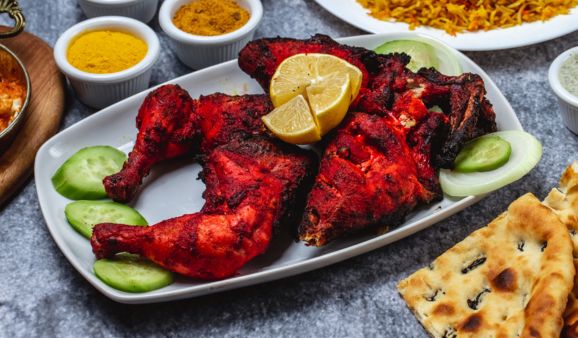
Ten years ago, Indian diners knew what piri-piri was. They had tasted it abroad, spotted it on menus at international QSR chains, and came home wanting it. The demand was real.
If you are currently staring at your P&L and wondering why your prime cost is bleeding despite your ingredient contracts staying relatively stable, you are looking at the wrong line item. You need to look at your utility bill. Specifically, you need to look at your LPG consumption.
There’s a quiet shift happening on Indian menus, and it doesn’t announce itself loudly. It shows up in the way a frappe feels creamier than it used to. In this way, a dessert sauce has a depth that lingers a little longer.
If your kitchen runs on LPG, and most Indian restaurants do, your gravies are quietly burning through your gas budget every single service. A classic makhani base, a dal makhani, and a rich korma: each one demands 60 to 90 minutes of active flame before the protein even enters the pan
If you step back and look at how Indian menus are being built right now, one thing becomes clear very quickly: the broad-stroke categories aren’t working anymore. “North Indian” and “South Indian” were always shorthand. They were convenient labels that covered a lot of ground without saying much.
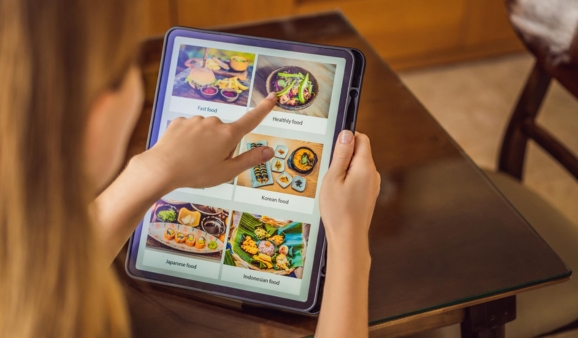
If you step back and observe how consumers interact with food today, one thing becomes clear very quickly: they decide fast. Not after reading the menu, and not after finishing the dish, but in the first few seconds.
The Indian foodservice market is a beautiful, chaotic, and overcrowded jungle. New brands pop up on Swiggy and Zomato every hour, screaming for attention with flashy packaging and deep discounts.
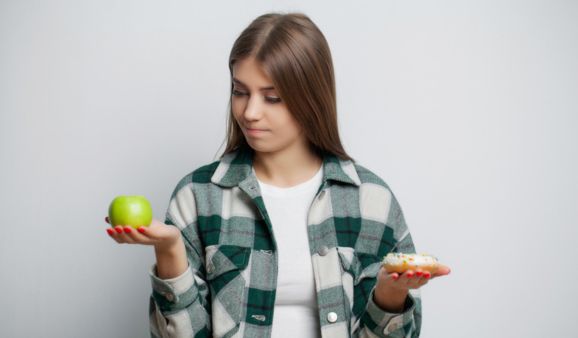
If there’s one thing we’ve learnt from watching Indian menus evolve over the last few years, it’s this: consumers are no longer interested in choosing sides. They don’t want to decide between indulgent or healthy, fast or crafted, premium or affordable.
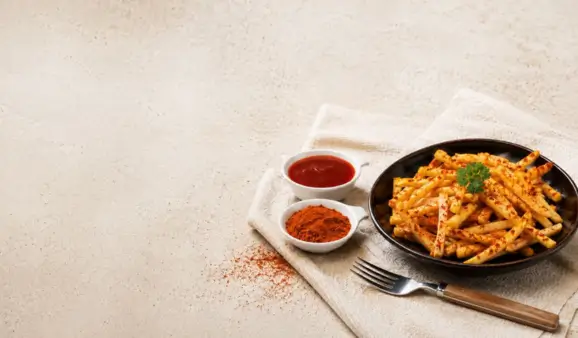
You can have a Michelin-star recipe and a prime location, but if your signature butter chicken or your Peri Peri fries taste different every Tuesday, you don’t have a brand; you have a gamble. And in 2026, customers don’t gamble with their money; they reward consistency.
Holi service isn’t just slow. It’s also loud, fast, and thirsty. You’ll have people walking in after a morning of Holi fun, families dropping by in groups, and guests wanting something cold before they even look at the food menu.
That’s why drinks matter so much during the festival.