
The Kitchen Management Playbook Every Indian Restaurant Operator Needs
Most Indian restaurant kitchens are not failing because of bad food. They are failing because the systems behind the food are missing. Margins erode quietly: through a 10g overportion on 200 covers, through a stockout that forces a last-minute substitution, and through a pre-service hour where nobody knows what was prepped yesterday.
These are not cooking problems. Fix the management systems, and the kitchen performance follows. To help operators navigate these daily operational struggles, understanding what is kitchen management in a practical, systemic way is the first step toward long-term profitability.
This guide covers the five pillars of restaurant kitchen management: food cost control, inventory management, workflow design, staff coordination, and food safety compliance. Every section ends with something you can act on before the next service.
Turn better kitchen management into better foodservice performance - buy our HoReCa services for a wide range of food products and solutions tailored to commercial kitchens.
A] Your Food Cost Is Either Controlled or It Is Controlling You
The benchmark for most Indian restaurant formats sits between 28 and 35 percent of revenue. QSRs running high-volume, low-SKU menus can push closer to 25 to 30 percent. If you do not know your current number, that gap in knowledge is already costing you.
Most operators discover their food cost is off target after the month has closed. By then, the damage is done and the cause is hard to trace. The three places it quietly escapes are recipe inconsistency, portion drift, and untracked waste, and they almost always operate together.
1. Recipe standardisation closes the first gap

Every dish needs a documented standard recipe: exact ingredients, exact quantities, and exact prep method. Without it, your food cost changes every time a different cook is on the line. The recipe is not a constraint on the chef. It is the only tool that makes your margin predictable.
2. Portion control is where the number lives day to day

A 10g over-portion on a dish served across 200 covers adds up to 2kg of product given away free, every single day. Use portion scales, ladles, and scoops for every dish that allows it. Treat this as a station standard, not a periodic spot check.
3. Menu engineering turns your menu into a decision framework
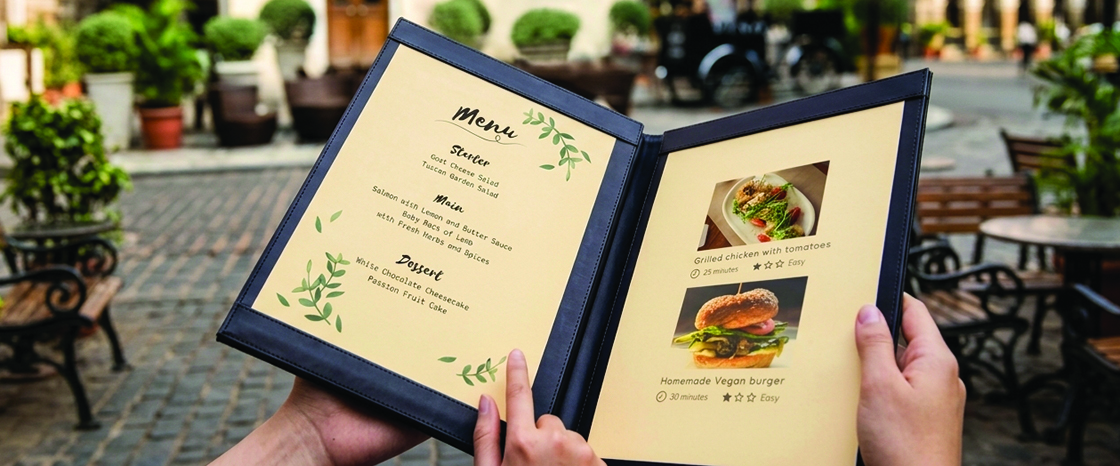
Classify every dish into one of four categories:
- Stars: High margin, high popularity. Promote these actively and protect their recipe integrity.
- Workhorses: Popular, low margin. Find where the cost is and trim it before removing the dish.
- Puzzles: High margin, low sales. Address placement, naming, or server recommendation.
- Deadweight: Low margin, low popularity. Reprice or remove. Every Deadweight dish on your menu is occupying a slot a Star could fill.
Track waste in three separate buckets: plate waste, prep waste, and spoilage. Each has a different cause and a different fix. Treating them as one number hides exactly where the problem sits.
B] The Gap Between What You Ordered and What You Actually Used Is the Number to Watch
Inventory variance, such as the difference between what your POS says you used and what physically moved is, the most honest performance metric in kitchen operations. A kitchen with tight inventory variance has controlled portioning, minimal spoilage, and no unexplained stock disappearance. A kitchen with high variance has at least one of those problems and usually all three.
1. FIFO (First-In, First-Out) closes the spoilage gap first

Date-label every delivery. Move older stock to the front of the shelf before the new delivery goes in. This single habit, applied consistently, reduces spoilage in most kitchens within the first stock cycle. It requires no system, no investment, and about three minutes per delivery.
2. PAR (Periodic Automatic Replenishment) levels prevent two problems at once
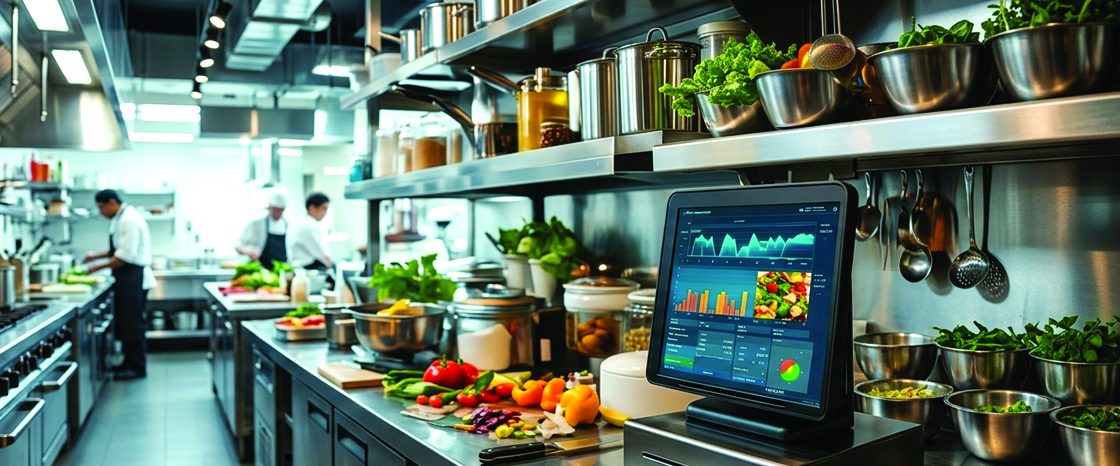
Set a minimum stock quantity for each ingredient based on four weeks of sales data. Below that level, you reorder. Above it, you are over-purchasing and tying up cash in perishables that will expire before you use them. Review PAR levels monthly as opposed to annually or when you remember to.
3. Physical counts weekly, not monthly

Cross-reference actual stock against your POS usage data every week. The earlier you catch a variance, the easier it is to trace the cause. A variance discovered monthly is a habit. A variance discovered weekly is a fixable incident.
For Indian kitchens specifically: review supplier pricing on spices, oils, and dairy every quarter. These categories shift more frequently than most operators account for. A price increase absorbed silently across three ingredients adds one to two percentage points to your food cost without a single portion change.
C] Kitchen Layout Is a Management Decision, Not an Architect's One
A kitchen that moves well during service was designed with one principle: every person and every product should move in one direction.
- Receiving feeds storage.
- Storage feeds prep.
- Prep feeds cooking.
- Cooking feeds plating and service
If that flow is interrupted, such as when cooks cross paths, when prep and service share the same surface, or when storage is accessed through the cooking line, every service runs slower and safety risk increases.
1. Mise en place is the management system that activates the layout
Everything prepped and in position before service begins is what determines speed and accuracy during service. If a cook is searching for an ingredient during a busy Friday dinner, the mise en place process fails. It’s important to treat it as a pre-service audit, not an individual habit.
2. Use sales data to drive prep quantities
If your Wednesday lunch average is 80 covers and your Friday dinner is 190, your prep quantities should reflect that difference precisely. Batch-cooking sauces and gravy bases during low-traffic periods moves pressure out of the service window and into a time where adjustments are still possible.
3. Station accountability eliminates the most common kitchen failure mode
Assign every station its own prep list, PAR levels, and end-of-shift checklist. Implementing structured kitchen management tips like specific station ownership ensures that the “I thought someone else handled it” problem, which is the cause of more mid-service crises than any other single factor, largely disappears.
D] The Pre-Shift Briefing Is the Five Minutes That Protects the Next Four Hours
Most kitchen coordination problems are information problems. A server who does not know a dish is 86’d will sell it. A cook who does not know about a guest allergen will serve it. A front-of-house staff member who does not know the specials will not be able to answer questions about them. A five-minute pre-shift briefing before every service fixes all three.
Cover four things, every time: today’s specials, any 86’d items, known allergens or dietary requirements, and any operational notes from the previous service. That is the entire briefing. It takes five minutes and prevents 30 minutes of mid-service confusion.
Role clarity is the other half of coordination
Every person in the kitchen must know who they report to and what their specific responsibilities are during service. The hierarchy – head chef, sous chef, line cooks, prep cooks, dishwashers – exists for one reason: faster decision-making when something goes wrong. If two people are waiting for each other to make a call, the hierarchy is not working.
Cross-training is your cover for the day someone does not show up
Prioritise the two or three highest-traffic stations. A team member who can cover two stations does not just solve an absenteeism problem; they raise the floor for every service.
High kitchen turnover is one of the most expensive hidden costs for Indian food companies, and most operators try to solve it with money alone. Consistent scheduling, clear advancement timelines, and public recognition for strong performance reduce churn more effectively than pay increases in isolation. The cost of rehiring and retraining a line cook is almost always higher than the cost of retaining one.
Also Read:
E] FSSAI Compliance Protects More Than Your Licence - It Protects Every Service
FSSAI registration or licensing is a legal requirement for a food or HoReCa distributor in India above specified turnover thresholds. More practically, FSSAI compliance is a daily kitchen standard, not an annual filing. The kitchens that fail inspections are almost never the ones with dirty surfaces. They are the ones without documentation.
1. Temperature control is the non-negotiable baseline
Hot food above 63°C. Cold food below 5°C. The zone between those two numbers is where bacterial growth accelerates. Every kitchen team member should know this range without having to think about it. It is not a regulation to display on the wall. It is a standard to train into a daily habit.
2. Cross-contamination prevention requires physical systems, not reminders.
Colour-coded chopping boards, dedicated utensils per food category, and documented handwashing protocols are the practical minimum for managing a kitchen safely. Reminders fade. Physical systems enforce themselves.
3. Documentation is evidence
A kitchen that is genuinely clean but has no pre-service and post-service cleaning checklists in writing cannot prove it is clean during an inspection. Maintain daily written checklists and keep them filed. During an FSSAI inspection, what you can show matters as much as what you have done.
F] Your Monday Morning Kitchen Audit: Ten Checks Before the Week Begins
Run this at the start of every week. It takes under 20 minutes and surfaces problems before they become service incidents.
- Calculate last week’s food cost percentage. Compare it against your 28 to 35 percent target.
- Check inventory levels against PAR for every high-use ingredient.
- Review the inventory variance report. Identify any gap above five percent and trace the cause.
- Confirm all cold storage is holding below 5°C and all hot-holding equipment is above 63°C.
- Verify all stock received over the weekend has been FIFO-labelled and shelved correctly.
- Review last week’s waste log. Name the top three ingredients driving spoilage. Adjust PAR or prep quantities accordingly.
- Confirm pre-service and post-service cleaning checklists from the weekend are signed and filed.
- Check this week’s covers forecast. Confirm prep quantities and batch-cooking schedules reflect it.
- Review the week’s schedule. Identify any station that needs a cross-trained cover in place.
- Check any outstanding FSSAI documentation requirements or upcoming inspection timelines.
Turn better kitchen management into better foodservice performance - buy our HoReCa services for a wide range of food products and solutions tailored to commercial kitchens.
Conclusion:
The central insight in kitchen management is straightforward: a profitable kitchen runs the same way on a slow Tuesday as it does on a busy Saturday night. That consistency does not come from talent; it comes from systems that do not depend on any single person to hold them together.
The operators who maintain margins in Indian food service are the ones who run this checklist on Monday, run a pre-shift briefing before every service, and treat FSSAI compliance as a kitchen standard rather than a compliance obligation. They are not doing extraordinary things. They are doing ordinary things without exception.
Start with the checklist. Run it this Monday. The gaps it reveals are your actual priorities for the week.