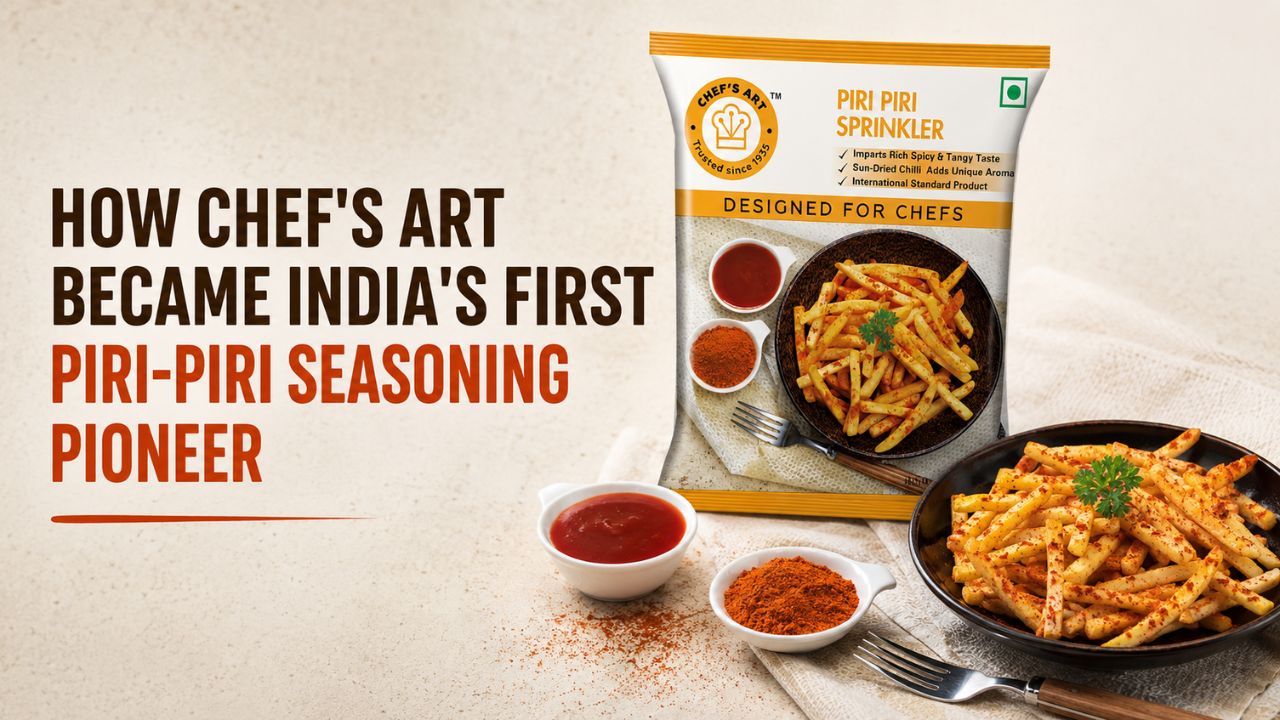
How Chef's Art Became India's First Piri-Piri Seasoning Pioneer
Ten years ago, Indian diners knew what piri-piri was. They had tasted it abroad, spotted it on menus at international QSR chains, and came home wanting it.
The demand was real.
What didn’t exist was a single Indian brand equipped to deliver it commercially, consistently, at the scale HoReCa actually operates at. That gap sat open for years. With a singular focus on what Indian commercial kitchens actually need, we walked straight into it.
In 2016, we became the first brand to commercialise piri-piri seasoning in India. What followed wasn’t luck. It was what happens when a team with genuine institutional knowledge of Indian HoReCa decides to build something the industry hadn’t figured out how to build for itself.
Bring consistent piri-piri flavour to every serving-buy our HoReCa services and explore Chef’s Art solutions designed for commercial kitchens.
A] Why Restaurants Without Piri-Piri on Their Menu Are Quietly Losing Ground to Competitors Who Do
The demand signal for piri-piri in India was not ambiguous. International QSR chains had built entire brand identities around it. Premium casual dining spots in metros were running it as a signature.
Urban cafes were putting it on wraps, flatbreads, and snack menus and watching it move. Diners weren’t asking for piri-piri tentatively. They were ordering it wherever they could find it.
The problem was never appetite; it was infrastructure.
Indian commercial kitchens had no reliable, kitchen-ready domestic source for piri-piri. Operators were improvising in three ways, and none of them were working cleanly.
- The Import Trap: Some imported, which meant unpredictable lead times, volatile COGS, and a sourcing dependency that made any cost control exercise approximate at best.
- The “In-House” Mirage: Some tried building in-house blends. This sounds resourceful until you account for the R&D hours, the batch inconsistency across shifts, and the fact that your proprietary recipe disappears the day your senior chef does.
- The Omission Strategy: Most simply avoided the flavour entirely and left that menu real estate blank.
The True Cost of Blank Menu Real Estate
Blank menu real estate has a measurable cost. It is the upsell you never made. It is the restaurant that found piri-piri somewhere else last Saturday and is now building quiet loyalty to that place. It is a competitor constructing flavour identity while you hold off. The gap between what urban Indian diners wanted and what most menus could deliver was wide open. The only question was who would close it first.
B] How We Solved the Problem Indian Commercial Kitchens Didn't Know How to Solve Themselves
What we did in 2016 was materially harder than launching a product. Through Chef’s Art piri-piri seasoning for cafes and restaurants, we built the commercial infrastructure for piri-piri in India from scratch, with the specific constraints of Indian HoReCa kitchens as the brief.
That meant solving problems most operators never see because they are buried inside the product before it reaches the kitchen.
1. Regional Heat Calibration
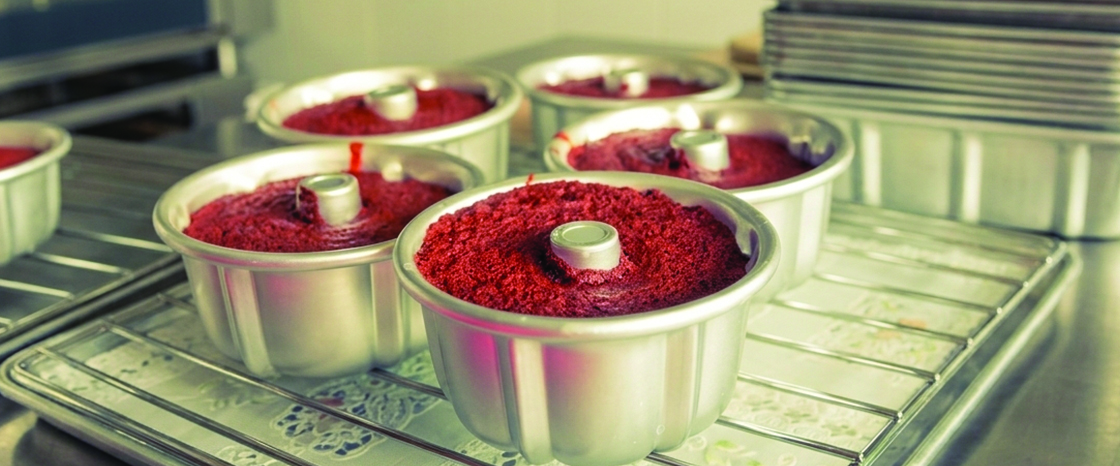
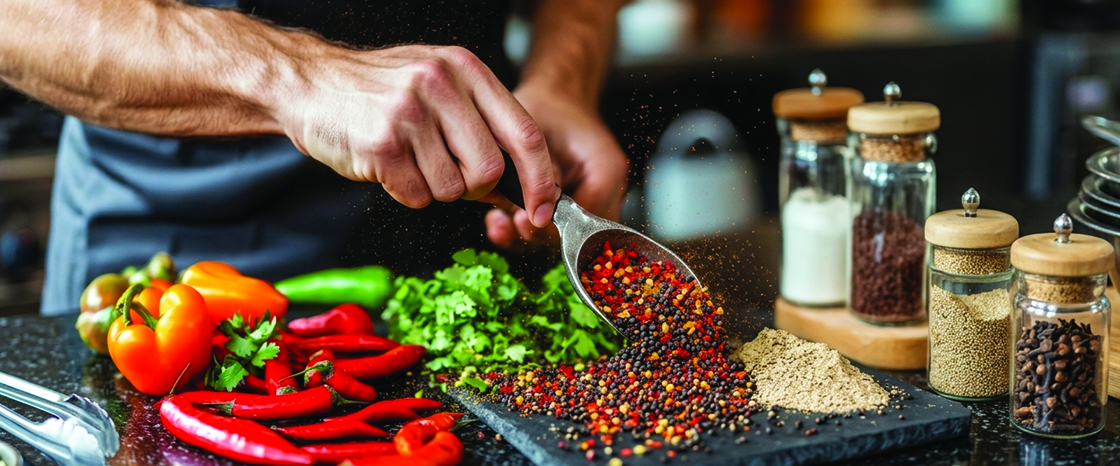
Heat calibration was the first. Piri-piri’s chilli backbone reads very differently on the palate of a diner in Pune, Chennai, or Lucknow versus where the flavour originated. Calibrate wrong and the product either underwhelms diners who expect a punch or overwhelms a menu that needs broader appeal. We built the Piri Piri Sprinkler from sun-dried chillies specifically for that chilli-and-spice impact so kitchen teams can dial intensity without rewriting a recipe.
2. Built-In Vegetarian Compatibility
Vegetarian compatibility was the second. A piri-piri product that only works on chicken serves half the menu in a vegetarian-heavy market. We designed the range to work across paneer, mushroom, tofu, corn, and potato-based dishes from the start. One product investment, full menu coverage.
3. Absolute Consistency at Scale
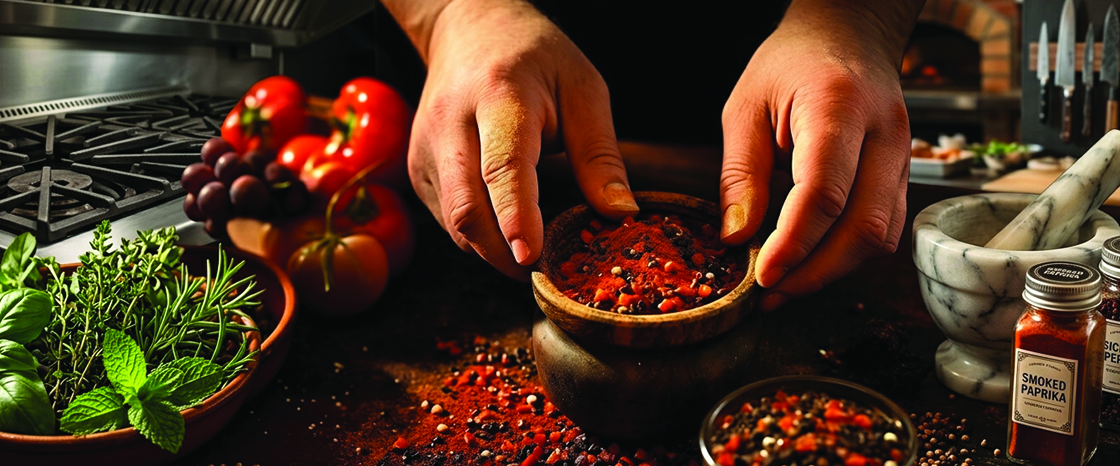
Consistency at volume was the third and arguably the most important for HoReCa. A flavour that performs brilliantly when the head chef is present and falls apart on a Tuesday lunch service run by junior cooks is not a commercial solution. It is a liability. The Piri Piri Marinade addresses this directly: consistent flavour penetration across every batch, without a written recipe pinned to the wall, because the product itself carries the specification.
The “first in India” claim is the outcome of solving all of that. We built the road before most operators knew the destination was worth going to.
C] Six Ways Piri-Piri Can Immediately Upgrade Your Menu Without Overhauling Your Kitchen
None of these require a new station, a new hire, or a menu reprint that costs you two weeks of back-and-forth.
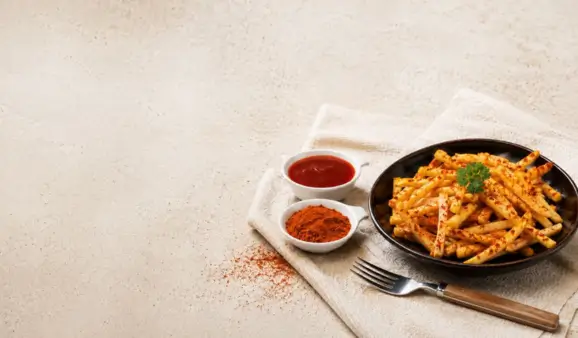
Piri Piri Sprinkler. Finishing applications. Dust our Piri Piri sprinkler on fries, pizza, pasta, rice, or popcorn chicken before it hits the pass. The free-flowing formula adheres on contact, delivering chilli, spice, and tangy notes without prep overhead. It is designed to increase hand-to-mouth trips, which means more repeat orders on the same dish.
Piri Piri Marinade. Our Piri Piri marinades are ideal for protein menu items such as grilled chicken, fried chicken, chicken popcorn, sandwiches, and paneer. The formulation breaks down protein chains for juicier results and deeper flavour penetration, providing you with consistent output across every shift.
Vegetarian use cases are built in, not bolted on. Paneer, corn, mushroom, and potato-based dishes all work with both formats. You are not buying a niche ingredient. You are buying a flavour system with a full menu range.
Cross-cuisine flexibility without a dedicated section. Piri-piri sits inside Indian, continental, and fusion menus without friction. It doesn’t demand its own real estate. It upgrades what is already there.
Consistency across every shift. The result is the same whether it is Monday morning prep or a Saturday dinner rush with two people calling in sick. That reliability protects food cost and reputation simultaneously, and it removes the skill-gap risk that haunts every kitchen manager who has ever lost a key cook mid-service.
Upsell and premium positioning at zero development cost. Offer piri-piri as a flavour variant on an existing dish. Charge for the upgrade. You are not building something new. You are generating a higher ticket size from something already on the menu.
Also Read:
D] The Window to Own Piri-Piri in Your Market Is Open. But Not for Much Longer.
There is an operator in your catchment right now who added piri-piri to their menu some time ago. They are not famous for it yet. But their regulars are starting to associate that flavour with that place. That association is being built without you, quietly, one order at a time.
The cycle from “emerging” to “expected” has compressed sharply with every QSR launch, every food delivery platform trend report, and every reel that circulates through a food-obsessed WhatsApp group. Piri-piri is not at the “expected” stage in most Indian markets yet. That is the opportunity.
Early adoption here is the lower-risk move, as the demand is proven. The only variable left is when you decide to act on it. The operator still deliberating is not being cautious. They are making a timing decision by default, and that default is costing them ground they will not easily recover.
Bring consistent piri-piri flavour to every serving-buy our HoReCa services and explore Chef’s Art solutions designed for commercial kitchens.
Conclusion
To save kitchens from costly trial and error, our team has worked tirelessly behind-the-scenes to engineer premium Chef’s Art piri-piri seasoning flavour solutions. The R&D, the heat calibration, the vegetarian compatibility, and the volume consistency testing across kitchens as different as a 20-seat cafe and a 500-cover banquet operation. That is the benchmark FSIPL has maintained as a trusted food products supplier to India’s HoReCa industry for years.
Today our Chef’s Art range is trusted by 40,000+ HoReCa kitchens spanning 454 cities across 25+ states in India. The network behind it includes 400+ distributors, which means wherever your kitchen is, support is not far behind.
This is not a new bet. It is a proven path with a decade of commercial validation behind it.
Explore the Chef’s Art piri-piri range, request a sample or demo for your kitchen, or connect with our team to see how it fits your specific menu.