Menu Trends Restaurants Are Using to Win Customers in 2026
The restaurant dining experience has slowly shifted. Diners are swiping left or right on your restaurant right from the comfort of their home, even before stepping in.
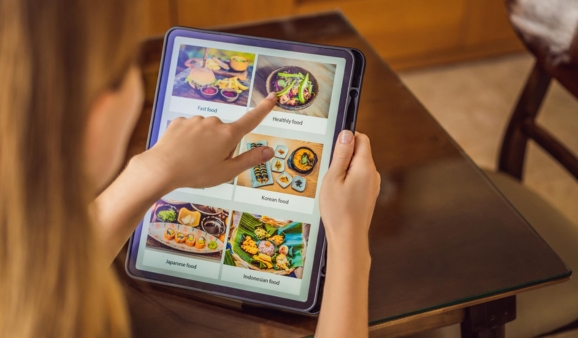
It happens instantly, over a 15-second-long cheese pull reel or a visual QR menu that tickles their taste buds even before a single morsel lands. The biggest winning game in 2026 is a ravishing digital menu.
By the time your customer walks in, their eyes have feasted. They are now looking for a translation of these visuals.
A mouth-watering aroma. A silky sauce that reveals a hidden undertone of complex flavours. Rising costs, falling attention spans, and the ever-growing competition are forcing Indian restaurants to rethink their menus in 2026.
In this blog, we explore the current restaurant menu trends, what’s shaping them, and how you can close the execution gap to make these trends a part of your menu.
A] A Fusion of Global Flavours & Local Roots
What locals are craving is a blend of comfort and adventure on their plate.
The zesty flavours of a Peruvian-style lemon and chilli paired with local chicken doused in a spicy grill marinade. A unique combination of flavours bursting forth from the lemongrass of a Thai curry with ladyfingers, cauliflower, or paneer.
Such “exotic” combinations on a menu create flavours that feel new, but are filled with a homely warmth. Locals want dishes that draw eyes to their feed, with an origin story worth telling the world.
Hear from the expert: Watch Badrul Islam and Gaurav Gayal, expert alchemists at Marimbula Syrup, Food Service India Pvt. Ltd, highlight the biggest mistake restaurants make when applying this trend to their menus.
B] Plant Forward Mains, Not Just Vegetarian Sides
Vegetables, mushrooms, and paneer have always been mains in India but are rarely treated as such. The restaurant menu trends in 2026 believe in pulling the fresh and savoury flavours from mushrooms through slow cooking like meat and exploring new preparations for versatile vegetables; for example, a smoky cauliflower steak.
These ingredients are cooked delicately to carry the flavours and weight of being the “main dish”. India has a genuine head start in this trend, as 29% of our locals are vegetarian.
Flavour decides who wins here. A cauliflower that tastes bland as soon as you get to the centre portion rarely earns the Chef’s Special spot. It needs the same umami richness, subtle herb flavour, and juiciness as any meat preparation.
C] The GLP-1 Effect on Menus
Menus are silently shrinking. As a growing number of diners are on GLP-1 medications or choosing meals as per the diet mindset, Indian menus are rushing to keep up with the Western trend that’s slowly seeping into local routines.
Restaurants offer protein-forward meals and smaller portions that satiate, not overfill. Lighter sauces, subtle spiciness, lean protein, and heavy bases are being swapped out for nutrition-focused ingredients.
This is where the tension of preparation on a large, restaurant scale rises. Unbeatable flavour and quality must flow through every bite. This is only possible with the backing of consistent, reliable marinades and bases that keep tastes vibrant across hands and shifts.
D] Smaller, Sharper Menus
A curated menu spells care instantly. Fewer dishes, tighter execution times, and less waiting make your restaurant a place customers genuinely feel welcomed in.
Smaller menu formats also give cloud kitchens and multi-outlet chains a chance to shine for one or two premium dishes. Such dishes drive more attention and easily become favourite repeats.
Quality is slowly gaining the upper hand, with tighter, high-precision execution. Standardised flavours are easier to replicate consistently, even when crowds pour in. Imagine, every plate delivers the exact punch of flavours it guarantees, every day.
E] Elevated Comfort Food
Dishes that succeed in India’s oversaturated flavour market pack nostalgia, with a premium taste on the side. Local favourite dishes like dal makhani, vada pav, pav bhaji, momos, and butter chicken are served with better textures and a better-balanced, aesthetic plate.
Elevated comfort food is always low risk. Imagine the creaminess and silky tomato flavours of butter chicken and the tadka of dal makhani refined to perfection.
It’s shareable and comforting, with familiarity that every Indian can almost taste through their social media feeds.
F] Affordable Indulgence: Premium in Small Doses
Portion sizes might be shrinking, but the need to indulge stays constant. Restaurants are bridging this flavour gap with small doses of indulgence, either through:
- Desserts with a rich mouthfeel
- Smooth, heavy sauces
- Or unforgettable premium toppings, like truffle.
This is tied closely to the “lipstick effect.” Customers cut back on portions, but make up for it with small doses of luxury for their taste buds. For restaurants, this is a strategic way to derive profits from an item with perceived elevated value.
This reflects perfectly in our FSIPL Taste Radar 2026 on the psychology of Glow, where customers chase sensory elevation for a premium feel.
G] Functional & Zero Proof Drinks Replacing Simple Bar Pours
Customers want the glass on the table to work as hard as their plate. Sodas, packaged juices, and alcohol are losing their appeal. Customers want drinks that taste and feel good.
However, a cut in sugar shouldn’t compromise on taste. Kombucha mixes, protein-rich frappes, and mocktails are skyrocketing in popularity instead of basic soft drinks.
Indian menus are already winning when it comes to functional drinks. Familiar formats of the smooth, milky flavour of lassi or buttermilk, the refreshing sourness of aam panna and jaljeera, or the turmeric and ginger shot that tastes like wellness are increasing in demand.
Every restaurant serves these beverages. Elevating them using fruit crushes and syrups is what will make you stand out from the crowd.
H] Menus as an Experience, On-Premise and at Home
In 2026, customers perceive unique food-related experiences as high value. Their hands reach first for menus that reflect that creativity and care.
Customers choosing dine-in options at restaurants crave something new, like on-table preparations, tableside garnishes or cook-your-own food experiences.
Meals arrive unfinished on purpose. A cheesy sauce poured, a flame passed over, a unique seasoning powder sprinkled, a dish topped off with luxury at the table. It’s all about getting the timing right.
A delicious, warm aroma that hits even before a spoonful is tasted. A sauce flowing at the perfect temperature and consistently. Such elements bring a simple dish to life, framing the perfect social media shot.
For home delivery, these experiences translate to DIY kits and trendy festive hampers. The same blend of char, acidity, and spice brings the restaurant to your home.
I] The Execution Gap: Why Restaurant Menu Trend Adoption Stalls
Menu upgrades are simple on a serving card or website. But they change their tune when a crowd rushes in on a random Wednesday night.
Global fusion dishes and veggie chef specials need a balance of flavours that surprise, but remain homely. Portion-controlled bites can’t appeal without indulgence. Functional drinks must deliver the punch of freshness and a flavour that doesn’t taste like compromise. Every single time.
Shifts change, tiredness grows, and as food passes through hundreds of hands, replicating flavours tends to become a matter of luck.
To break away from the cliché of “too many cooks spoil the broth,” restaurants need the guarantee of consistent flavours to keep trendy menus running realistically.
J] Ready-to-Use Bases That Close the Gap
One of the most effective solutions to surge past this bottleneck is to choose ready-to-use bases for your operational setup. Recreate the rich flavours of a silky tomato and butter base that spells classic butter chicken. Bringing the soft and subtle spices to the dish with our Afghani marinade. When the base mixture is right, it enables you to venture forward into uncharted flavour territory with better confidence in execution.
New rarely means reinventing a dish from scratch for your menu. It could be a unique hint of tanginess added to a sweet dish or a sprinkle of piri piri seasoning that leaves a bright punch before fading into a delicious flavour blend.
Most restaurants try to make a grand first impression. Yours can do both by paying attention to side dishes and desserts as much as the main course. The memory of the last lick of a chocolate sauce drizzle that tastes like indulgence stays far longer than elaborate preparations.
K] Why This Works for Both Restaurants and Home Kitchens
From a financial and process efficiency standpoint, relying on ready-to-go bases and enhancements for your menu allows you to expand your menu with:
- Faster Onboarding: Skip months of getting the flavours by incorporating a reliable base.
- Low to Zero Wastage: Swapping out ingredients that come with a quicker expiry date for a solution that lasts longer; for example, a lemon sprinkler.
- No Dependency on One Chef: The flavour profile is no longer mastered by a single chef, so you can expect a consistent flavour delivery across hands and shifts.
- Limited-Time Offer Testing: Try your hand at a trendy dish without changing your entire inventory or menu, allowing you to easily differentiate your offerings from competitors.
- Restaurant-Grade Preparations at Home: Food enthusiasts can enjoy the familiar base flavours at home, on a budget.
Conclusion
The winning menus of 2026 rarely belong to inventive kitchens. They belong to kitchens that can sustain flavours consistently. It belongs to those who pack a unique punch to nostalgia, drawing in visitors with the combined promise of comfort and something new.
While the demand for being trendy is real, its execution falls short without standardisation of a base mix that delivers in every hand.
By leveraging FSIPL’s standardised bases, syrups, and seasonings, you can easily overcome operational hurdles and hop on the trend bandwagon. With our innovative solutions, every dish receives the same care, expertise, and authenticity without compromise.